Although gardening is typically thought of as a visual activity, a well-designed garden can appeal to all of your senses, making it a more fulfilling and immersive experience. A sensory garden offers an all-encompassing experience of nature by appealing to the senses of sight, smell, touch, taste, and sound. With the addition of sensory stimuli, any size backyard or tiny urban garden can become a healing sanctuary. We’ll look at how to design a sensory garden that pleases and stimulates every sense in this blog.
Sight: A Feast for the Eyes
One of a garden’s most evident aspects is its visual charm. Think about combining different colours, forms, and textures to create a visually interesting garden. To add pops of colour, use plants with vivid flowers, such as marigolds, petunias, and sunflowers. Interesting leaf forms and a range of green tones can be achieved with foliage plants such as ferns and hostas. Plants that change with the seasons can help ensure that your yard remains lovely all year round. To create depth and visual appeal, take into account garden structures like trellises, statuary, and water features.
Smell: Fragrant Delights
Smell has the ability to bring back strong feelings and memories. Make your landscape fragrant by selecting plants that are recognised for their aromatic properties. Due to their lovely scents, lavender, roses, jasmine, and honeysuckle are popular options. Plant these plants close to entrances, pathways, and places to relax so you can smell them as you stroll through your garden. Herbs like thyme, basil, and mint can be used in cooking to bring another level of sensory engagement in addition to their fragrance-enhancing properties.
Touch: Textural Variety
Choosing plants with varying textures is essential to creating a garden that appeals to the sense of touch. Lamb’s ear-like soft, velvety leaves make a striking contrast to spiky or rough bark. Succulents produce smooth, meaty leaves, whereas ornamental grasses might have a fluffy feel. Add touch-friendly plants, including creeping thyme and moss, which can be utilised as ground cover. To improve the tactile experience, think about including tactile components like rustic wooden seats, stepping stones with texture, and smooth pebbles.
Taste: Edible Elements
A sensory garden would be incomplete if it did not stimulate the palate. Include plants that can be eaten, such as vegetable patches, fruit trees, and berries. Herbs are a wonderful addition as well, adding flavour and scent. Think of growing a range of edible flowers that may be used as salad and dessert garnishes, such as calendula, violets, and nasturtiums. Having access to fresh, organic produce may improve your cooking and strengthen your bond with your garden.
Sound: Nature’s Symphony
Although it’s sometimes disregarded, sound design can greatly improve the sensory experience. Add components that provide organic noises, like water features like fountains or tiny ponds, wind chimes, and rustling grasses. Plant trees and plants that draw birds so that you can enjoy their melodic singing and chirping. A serene, contemplative ambience can be produced in your garden by the soft buzzing of bees and the rustle of leaves in the breeze.
A Multi-Sensory Sanctuary
More than just aesthetics, creating a sensory garden is creating an environment that awakens all of your senses and serves as a haven from the strains of daily life. You can turn your garden into a multi-sensory joy that stimulates all five senses—sight, smell, touch, taste, and sound—by carefully arranging things that speak to each one. Making a sensory garden is an enjoyable effort that improves your general well-being and helps you establish a deeper connection with nature, regardless of your level of gardening experience.
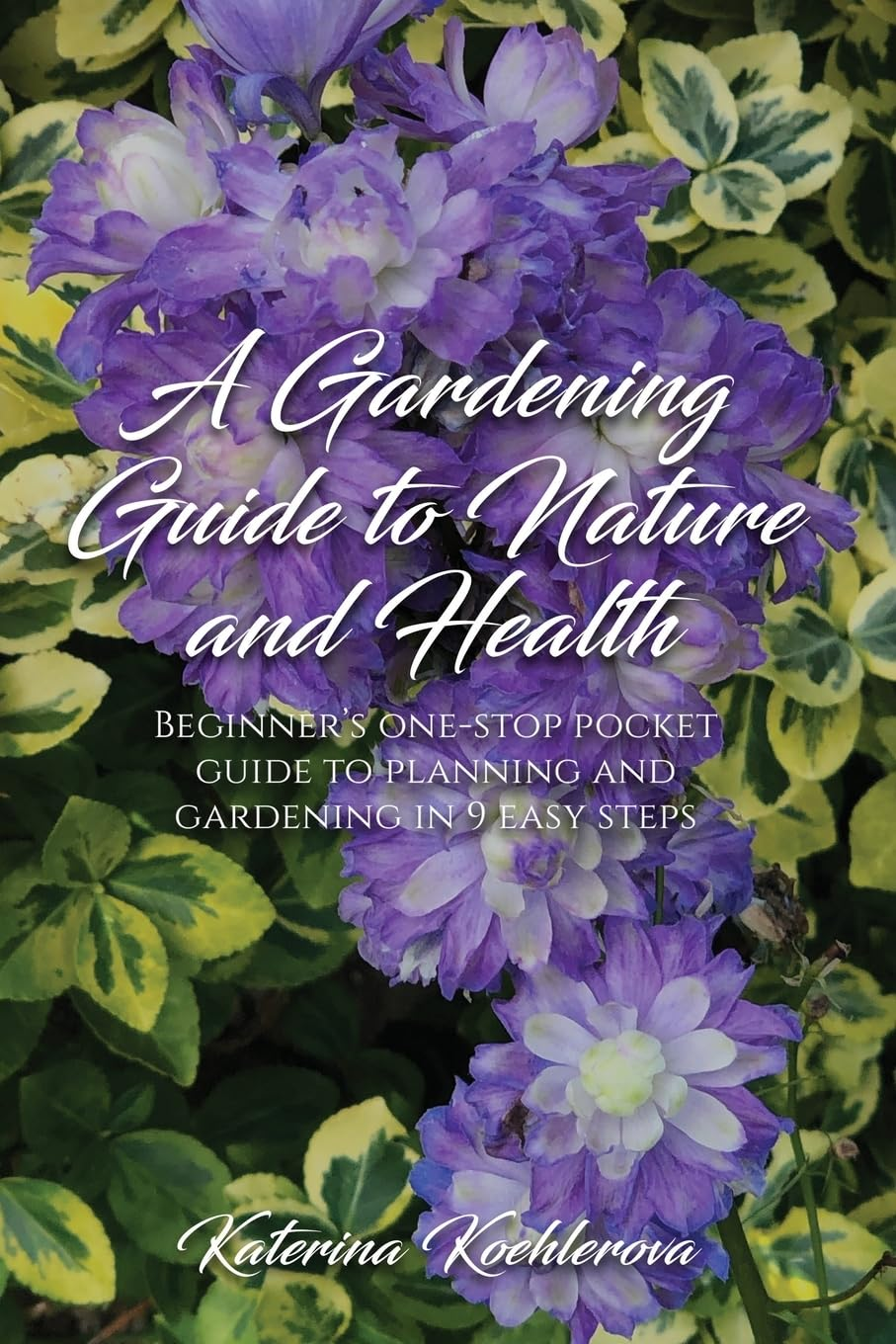
Discover the transformative power of gardening with Katerina Koehlerova’s “A Gardening Guide to Nature and Health: Beginner’s one-stop pocket guide to planning and gardening in 9 easy steps.” This pocket guide takes you on a journey to create a garden that engages all your senses—sight with vibrant blooms, smell with fragrant herbs, touch with textured foliage, taste with fresh produce, and sound with nature’s symphony. Whether you’re a novice or a seasoned gardener, Koehlerova’s expert tips and easy steps will help you design a sanctuary that enhances your well-being. Embrace the joy of gardening and embark on a path to a deeper connection with nature. Engage your senses and transform your garden today from this link: https://amz.run/9795!